ERAS photo requirements for the 2027 season
Updated 2 November 2026
For the 2027 ERAS season, the AAMC asks for a JPG/JPEG or PNG photo of up to 150 KB with your face centred. US graduates upload it in MyERAS themselves, while ECFMG uploads it for international medical graduates (IMGs), and every applicant assigns it to programs in MyERAS.
The rules, from the AAMC's 2027 MyERAS guide
- File type: JPG/JPEG or PNG.
- Maximum file size: 150 KB.
- Framing: your face centred in the photo.
That is all the guide sets: no pixel size and no dress code. It says programs most often use the photo to identify applicants when they arrive for an interview, and that you should check each program's own requirements and use of the photo.
Who uploads it: US graduates, IMGs and fellowship applicants
- US medical graduates upload the photo themselves in MyERAS (Upload New Photo).
- International medical graduates (IMGs), including graduates of Indian medical colleges applying for residency: ECFMG uploads the photo into ERAS for you. ECFMG's ERAS Support Services are reached through its MyIntealth applicant portal; follow ECFMG's current instructions there to submit your photo.
- Fellowship applicants: the EFDO uploads it.
Assign it to your programs
Uploading isn't enough: you assign the photo to the programs you choose in MyERAS. You can assign it at any time, even before it's uploaded, but not to programs that have closed. Once it's assigned to a program you've already applied to, it can't be unassigned, so choose your photo before you apply.
What makes a good ERAS photo
Because the photo is used to recognise you at interviews, it must look like you now. A plain white or light grey background, head and shoulders, facing the camera with a calm, friendly expression, works for every program. A dark business suit is the traditional choice; a white coat over a shirt and tie or a blouse also looks professional. Keep scrubs for hospital profiles.
ECFMG's earlier instructions for IMGs (2023) also asked for a photo no larger than 2.5 × 3.5 inches (passport size) showing a full front view of the head and shoulders, the face centred, with a natural expression and eyes open. Those still describe a safe ERAS photo.
Taking the photo yourself
A photographer isn't required. Stand a metre or two in front of a plain white or light grey wall, facing a window in daylight, and have someone take the photo from your eye level with the phone's back camera. Frame your head and shoulders with a little space above your head, and keep your face centred, as the AAMC asks.
Keep your hair off your face. If you wear glasses every day, keep them on, but tilt them slightly to avoid reflections. Take plenty of shots and choose the one where you look calm and approachable, the way you'd like to walk into an interview.
Check before you upload
- The file is a JPG/JPEG or PNG.
- It's 150 KB or less. Check it in the file's details: Properties on Windows, Get Info on a Mac, or the details view in your phone's Files app.
- Your face is centred, with your head and shoulders in view.
- It looks like you today, with the same hairstyle, glasses and beard you'll have at your interviews.
- You know which programs you'll assign it to, since an assignment to a program you've applied to is permanent.
Getting it under 150 KB
A phone photo, or a downloaded headshot, is usually several MB. Make a small copy for ERAS with the free photo resizer: choose “Other exam”, set 375 × 525 pixels (2.5 × 3.5 inches at 150 dots per inch), a minimum of 20 KB and a maximum of 150 KB, choose “Photo”, then add your photo. It runs in your browser, makes a JPEG, and keeps it at or under 150 KB however the KB are counted.
No suitable photo? Make one from your selfies
Residency Headshots turns 1–4 selfies into a studio-style photo in a suit, a white coat or scrubs, on plain white, light grey or a hospital corridor, from 5 credits (about ₹10).
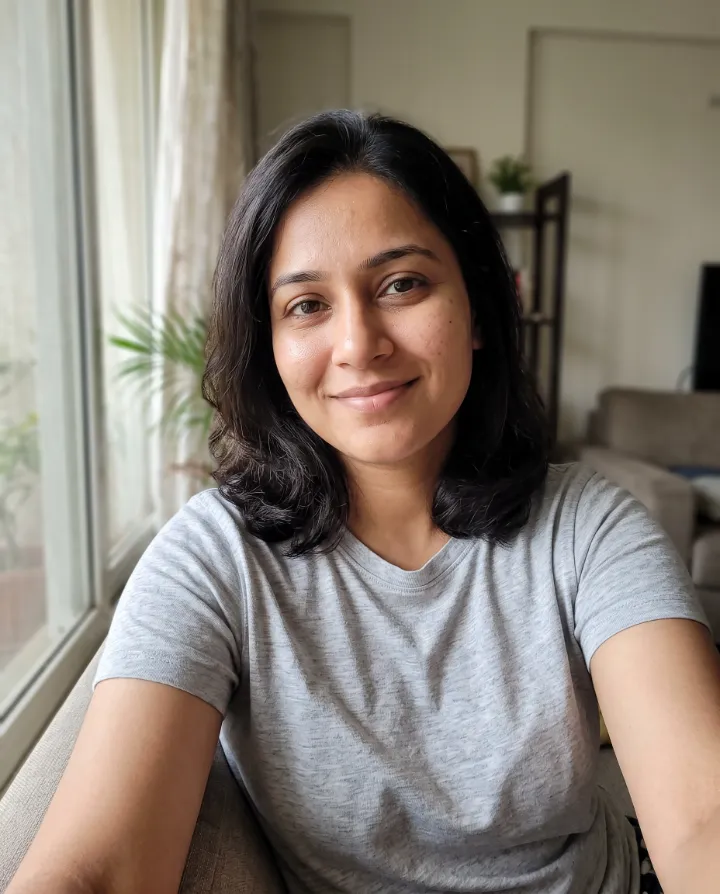
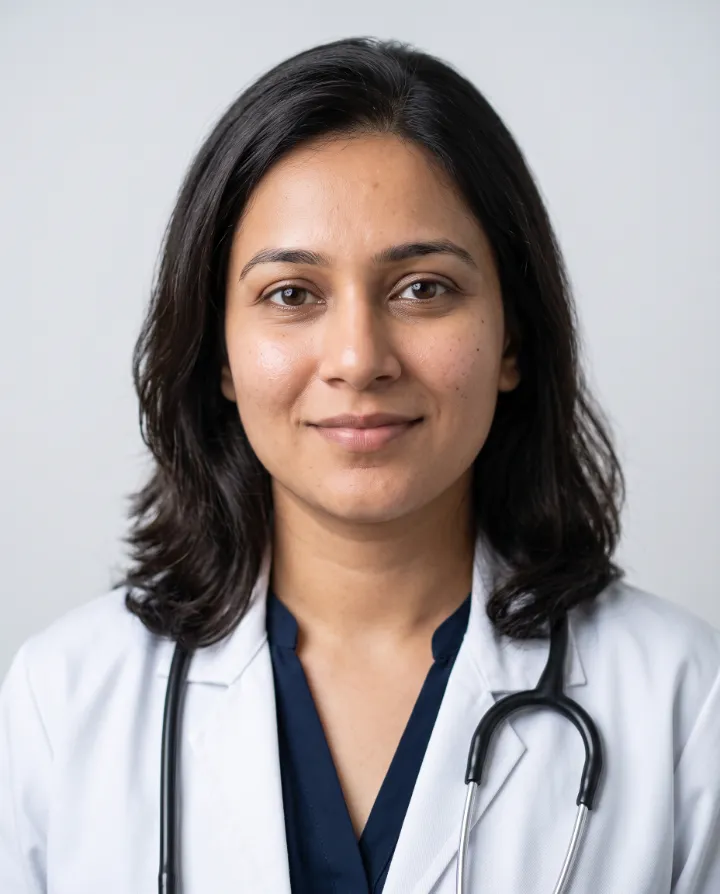
Pick a result that looks exactly like you, resize it to under 150 KB as above, and check your programs' own rules. For ECFMG certification, USMLE and any other identity document, use a real, unedited photo.
Questions
- What size should an ERAS photo be?
- The AAMC's 2027 guide sets no pixel size: a JPG/JPEG or PNG of up to 150 KB, with your face centred. 375 × 525 pixels (2.5 × 3.5 inches at 150 dpi) fits easily.
- I'm an IMG from India. Do I upload the photo in MyERAS?
- No. For IMG residency applicants, ECFMG uploads the photo into ERAS. Submit it through ECFMG (its MyIntealth portal), then assign it to your programs in MyERAS.
- Can I unassign my ERAS photo later?
- Not from a program you've already applied to: once the photo is assigned there, the AAMC's guide says it can't be unassigned. Choose your photo before you apply.
- Do I need a professional photographer for ERAS?
- No. The AAMC's guide sets only the file type, the 150 KB limit and a centred face. A well-lit phone photo against a plain wall works, as long as it looks like you and is cropped to your head and shoulders.
- Can I use my passport photo for ERAS?
- You can, if it's recent and meets the file rules. A passport photo on white is safe but often looks stiff; a relaxed photo in a suit or white coat, with a slight smile, makes a warmer first impression.
- Should I smile in my ERAS photo?
- A calm, natural smile is fine. ECFMG's earlier instructions asked for a natural expression with your eyes open, looking straight ahead.
- JPG or PNG: which is better?
- Both are accepted. For the same photo, a JPEG is usually much smaller than a PNG, which makes the 150 KB limit easier to meet.
- Can I use an AI headshot for ERAS?
- Only if it looks exactly like you, because programs use the photo to recognise you at interviews. Check each program's rules, and never use one for ECFMG or USMLE identity documents.